Growth-Driven Web Design vs. Traditional Web Design
"*" indicates required fields
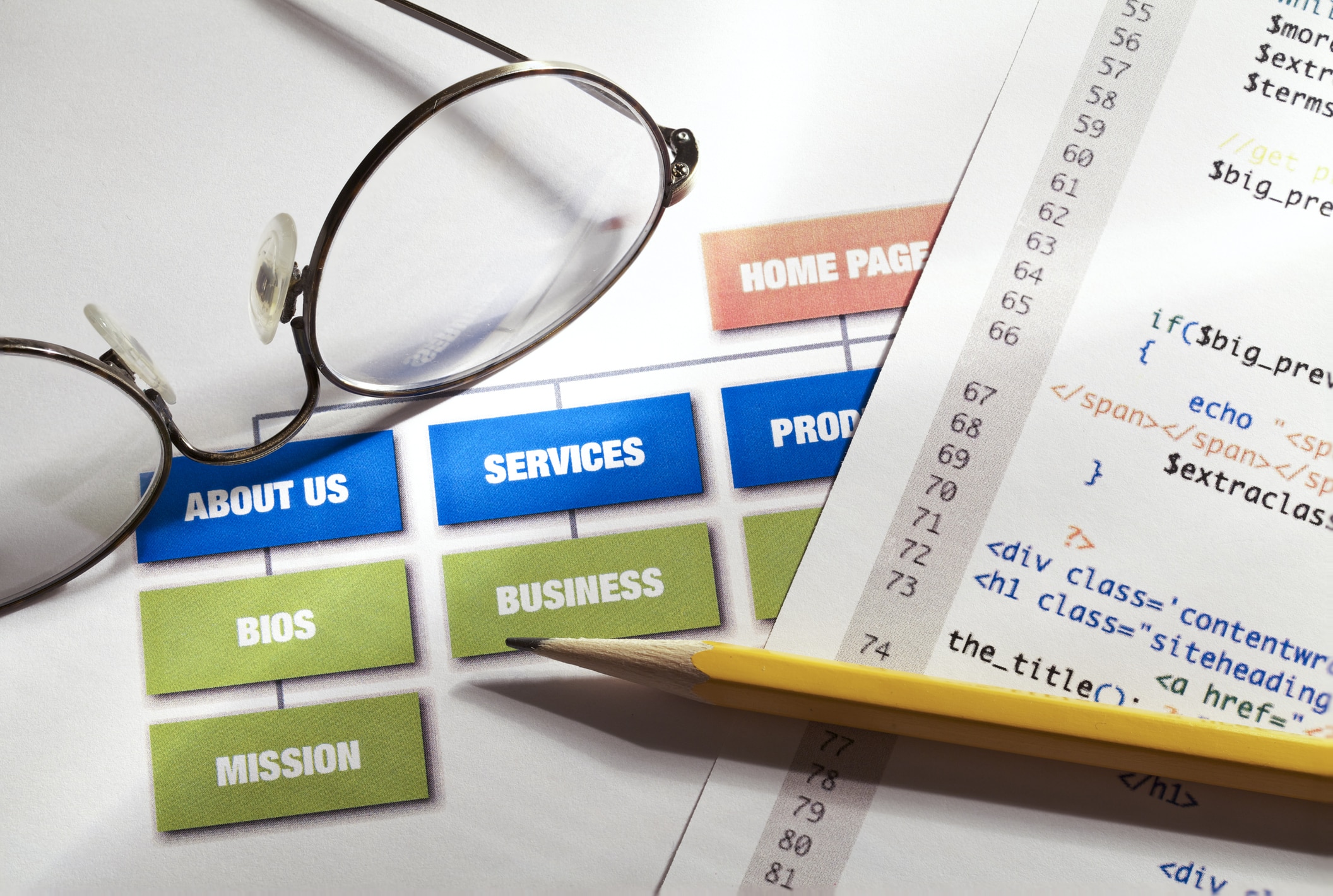
Growth-driven web design is a newer approach to website design that has quickly become popular among businesses. It uses an agile methodology with the goal of creating better strategic decisions and faster, more efficient results. Unlike traditional web design which focuses on creating websites based solely on aesthetics, Growth-Driven Design (GDD) takes into account user experience, analytics and strategy when designing a website.
The GDD process begins with analyzing your current website’s performance metrics as well as researching your target market’s behavior in order to create a data-driven foundation for the project. This information helps establish what changes need to be made in order to make your website more effective at achieving its business goals. Next comes the Launchpad website which is built based on these findings. The goal is to create a website that can be used as a testing ground while you continue to refine and improve it over time.
The main benefit of GDD is the iterative process, which allows businesses to make changes and improvements in real time, rather than waiting for an entire website redesign to be completed. With traditional web design, businesses often find themselves stuck with outdated websites due to the long wait times for redesigns. Growth-driven web design enables businesses to continuously optimize their websites without having to go through a complete overhaul every few years.
It also helps reduce costs associated with the website development and maintenance as well as improving performance metrics such as page load speed and conversion rates by focusing on optimization over time. Additionally, the data-driven approach helps ensure that changes made to the website are based on real user behavior and not just assumptions about what might work best.
Overall, Growth-Driven Design is an efficient way of designing websites that can help businesses reduce costs, improve performance metrics, and create a more engaging user experience. With GDD, businesses have the ability to continuously refine their online presence in order to provide the best possible experience for their users.
Traditional web design is a type of website design that uses elements like HTML, CSS, JavaScript, and other technologies to create beautiful and functional websites. This type of design focuses on usability and accessibility while also taking into account the aesthetics of the site. Traditional web designs are usually built from the ground up with each page being coded manually by a developer or designer.
This allows for more flexibility in terms of functionality and customization than using templates or content management systems (CMS). As technology has changed, so has traditional web design as it now incorporates newer tools such as responsive design and mobile-friendly features. The goal of traditional web design remains to create an engaging user experience with content that can be easily accessed across all devices.
The benefits of traditional web design include:
Traditional web design is a great choice for businesses that want their websites to look professional, be highly functional, and have good accessibility. It is also ideal for those who want more control over the design and development of their website, as well as those who want to ensure that the website remains up-to-date with the latest technologies. However, there are some drawbacks to traditional web design, such as a longer development time due to manual coding, a higher cost compared to other types of designs, and a lack of flexibility when it comes to changing elements or adding new features.
Overall, traditional web design is an effective way to create beautiful and functional websites. It provides businesses with increased control over their online presence while giving users an enjoyable experience that helps drive engagement and satisfaction. With the right developer or designer by your side, you can create a stunning website tailored specifically to your brand and product.
Growth-driven web design may be the future of website development, as it provides a more flexible and data-driven approach to designing websites that are tailored to achieving specific goals. It combines the best elements of traditional web design practices with agile methodology, data-driven decision-making, continuous improvement, A/B testing, and personalization. This allows companies to optimize their web presence in real-time rather than relying on outdated website designs.
Growth-driven web design has been shown to reduce costs while increasing conversions and other key performance indicators (KPIs). Additionally, its focus on user experience helps ensure an enjoyable browsing experience for visitors which can lead to increased loyalty and better customer retention rates. Furthermore, it offers businesses greater control over their online presence, allowing them to measure and quickly respond to changes in the market or customer behavior.
In conclusion, growth-driven web design provides a powerful and effective way of creating custom websites that are tailored to achieve specific goals. Its focus on data-driven decision-making, continuous improvement, and user experience makes it an attractive option for businesses looking to gain greater control over their online presence.
Furthermore, its ability to reduce costs and increase conversions helps ensure a strong return on investment (ROI), making it an attractive option for many organizations. Ultimately, growth-driven web design is likely here to stay as more companies become aware of its potential benefits. For these reasons, it may be the future of website development moving forward.
At Percento Technologies, we offer a vast range of IT security solutions; including malware and ransomware protection, patch management, disaster recovery, and vulnerability assessment, to name a few. So, get in touch with our team to discuss your Cybersecurity needs, and let us assess your IT infrastructure to provide the best solution.